

霁蓝釉又叫“积蓝釉”、“积青釉”、“宝石蓝”,高温钴蓝料的一种,创烧于元代,至明宣德时期,霁蓝釉瓷器烧制量巨大,达到顶峰,后历朝历代未曾停烧。它的烧制工艺是先在生坯上施釉,放置1200~1300℃高温下一次烧成。所烧瓷器颜色色泽凝重,浓淡均匀、呈色稳定,釉面不流不裂。
Ji blue glaze is also called "accumulate blue glaze", "accumulate green glaze", "gem blue", a kind of high temperature cobalt blue material, created and burned in the yuan dynasty, to the xuande period of the Ming dynasty, ji blue glaze porcelain firing amount is huge, reached the peak, after the past dynasties did not stop burning. Its firing process is to glaze the green billet first and fire it next time at 1200 ~ 1300℃ at high temperature. The burned porcelain color is dignified, uniform, color stability, glaze does not flow does not crack.
水盂是历史悠久的中国传统工艺品。古往今来的文人,历来重视和喜欢文房用具。有专家说,文房还有“第五宝”。中国的文房用具除基本的“笔、墨、纸、砚”文房四宝外,还派生出来许多,如印章、印盒、水盂、笔洗、笔筒、镇尺、砚屏、墨盒等等。水盂不仅成了文人雅士追求悠闲优雅生活的一种表征,而且更是一个包罗万象,内涵丰富的收藏天地,同时也是投资收藏的长生不衰的一大亮点。
The water pan is a traditional Chinese handicraft with a long history. Throughout the ages, the literati have always attached importance to and like the study appliances. Some experts say that the study still has "the fifth treasure". In addition to the basic "pen, ink, paper and inkstone" four treasures of the study, many utensils of the Chinese study are also derived, such as seals, printing boxes, water bowls, brush washers, brush holders, weights, inkstone screens, ink cartridges, and so on. Shuiwen has not only become a symbol of the literati's pursuit of a leisurely and elegant life, but also an all-embracing and rich collection world, as well as a highlight of the investment collection's longevity.
成化、弘治、正德时期,霁蓝釉瓷器传世不多,尤其是成化时期,相传至今未见一件完整器,但景德镇御厂出土过书有成化款的蓝釉碎片,说明其生产从未间断。
Chenghua, Hongzhi, Zhengde period, Ji blue glaze porcelain has not been handed down from generation to generation, especially in the Chenghua period, legend has not seen a complete piece, but the Jingdezhen royal factory unearthed the book has Chenghua blue glaze fragments, indicating that its production has never been interrupted.
霁蓝釉造型品种丰富多彩,釉色品种多。造型除传统的宫廷祭器、陈设瓷外,日用器皿中也常见蓝釉产品。釉色除霁蓝外,又新创一种“回青”釉。嘉靖霁蓝釉色蓝中微泛紫色,有些釉面开细小纹片,个别的有棕色斑点,圈足处施一层酱色釉。嘉靖回青釉多刻暗款,均为六字楷书款,造型有罐、洗、碗、盘、杯、渣斗、香铲等。有些尚浅刻龙凤、云龙及缠枝花纹。
Ji blue glaze modeling variety is rich and colorful, glaze color variety. In addition to the traditional palace offerings and display porcelain, blue glaze products are also common in daily utensils. In addition to ji blue glaze, and a new "green" glaze. Jiajing ji blue glaze blue in the slightly purple, some of the glaze open small grain pieces, individual brown spots, circle the foot apply a layer of paste glaze. Jiajing Hui Qing Glaze carved more dark, are six character regular script style, modeling pot, wash, bowl, plate, cup, slag bucket, incense shovel, etc. Some are still shallow carved dragons and phoenixes, dragons and twisted branches pattern.
万历所烧的霁蓝釉,色调纯正艳丽,酷似蓝宝石的颜色,因此又名宝石蓝,与红釉、甜白并称为宣德时期三大高温单色釉品种,历来即享有很高的声誉,传世品较为少见。
Wanli burned ji blue glaze, pure gorgeous color, similar to the color of sapphire, so also known as gem blue, and red glaze, sweet white and known as the Xuande period of three high temperature monochromatic glaze varieties, has always enjoyed a high reputation, handed down products are rare.
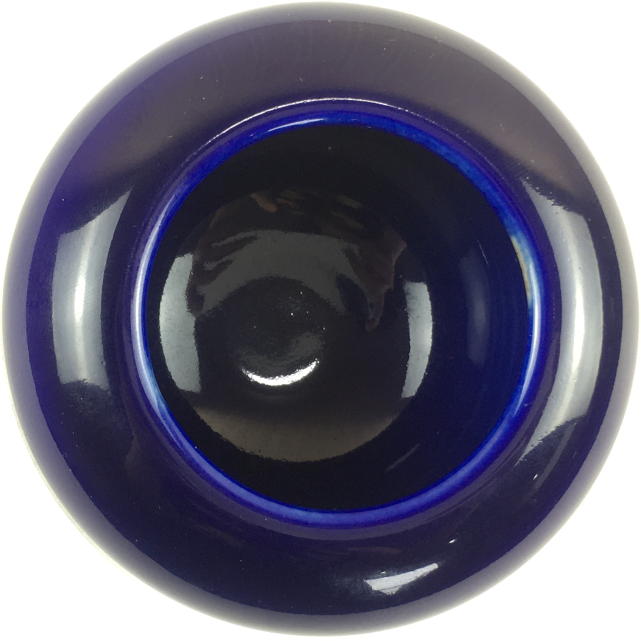
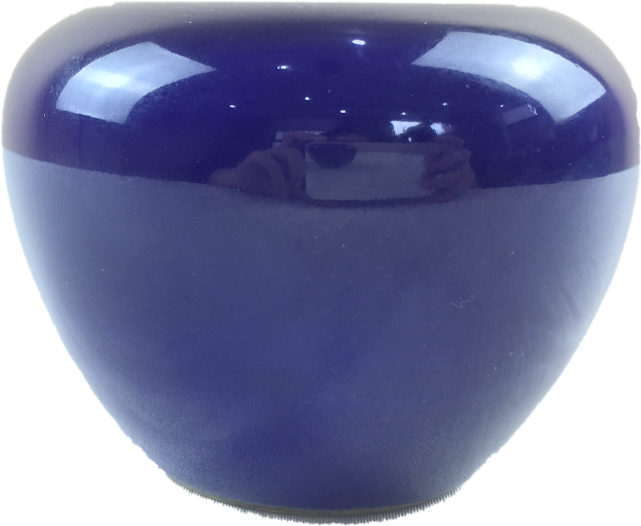
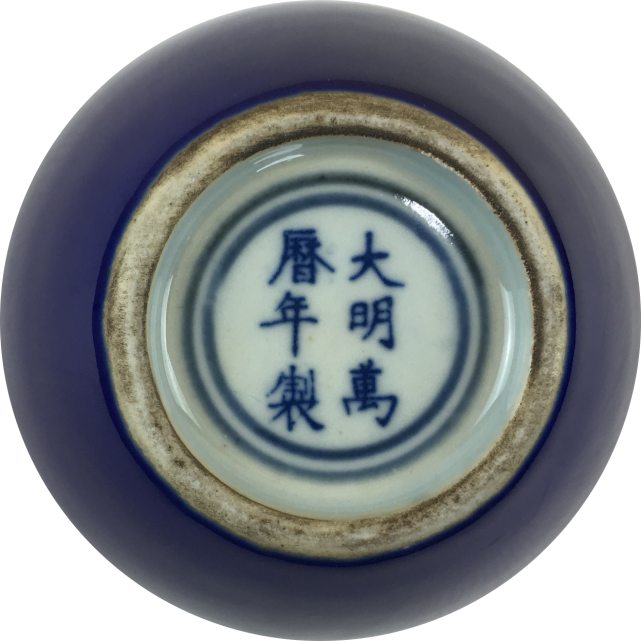
此件大明万历年制霁蓝釉水盂造型灵巧,釉面滋润,宝石蓝柔和内敛,光不浮,釉色晶莹剔透,“宝石蓝”是中华民族审美情趣之一,这是源于人们对大自然原生态生命的崇拜。
This big Ming million li year system ji-blue glaze water pan modeling dextrous, moist glaze, gem blue soft inside collect, light does not float, glaze color crystal clear, "gem blue" is one of the Chinese nation's aesthetic taste, this is from people's worship of the original ecological life of nature.
此物因小巧而雅致,最能体现文人雅士的审美情趣,故在文玩类的工艺品中,属于品位较高的藏品。小巧而雅致,最能体现文人雅士的审美情趣,故在所有的古董工艺品中,属于品位较高的藏品,深受广大收藏爱好者的青睐,其投资价值在文房收藏中亦属上品。
This article because of small and elegant, can best reflect the literati aesthetic taste, so in the literary and play handicrafts, belongs to the collection of high grade. Small and elegant, can best reflect the literati aesthetic taste, so in all the antique handicrafts, belongs to the collection of high grade, favored by the majority of collectors, its investment value in the study collection is also a top grade.