

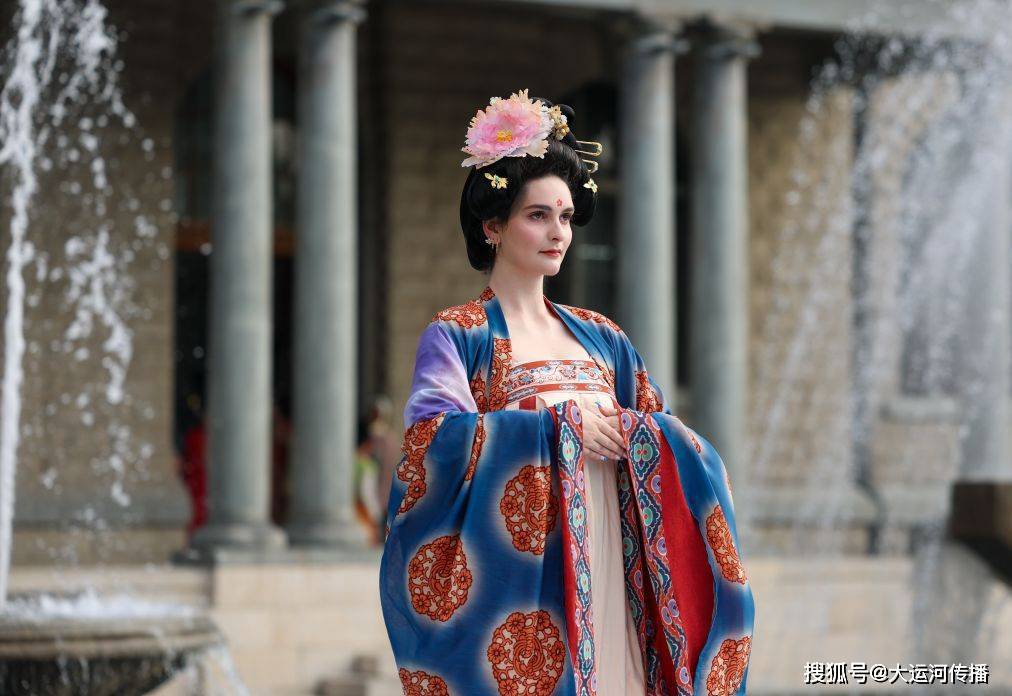
6月17日,在天津外国语大学,一名留学生在舞台上走秀。新华社记者 孙凡越 摄
夏日的午后,天津滨江道步行街一家泡泡玛特门店里,来自斯里兰卡的留学生罗娜正和朋友一起挑选心仪的盲盒礼品。拆开盲盒后,她迫不及待地拍下照片,分享到了社交平台。没过多久,评论区便涌来不少家乡朋友的留言,有人追问在哪里买,也有人请她回国时帮忙带一个。
在中国留学多年后,罗娜的消费习惯悄然发生了变化。她告诉记者,刚来中国时,带回家的大多是茶叶、丝绸等传统纪念品。如今,她更喜欢和中国朋友一起喝新式茶饮、逛潮玩店、City Walk、参加音乐节。“我喜欢中国年轻人的消费方式,这些消费活动让我感受到中国年轻人的生活方式,也让我更真实地认识今天的中国。”
国家统计局数据显示,2026年上半年,全国社会消费商品和服务零售总额同比增长2.7%,其中服务零售额增长5.3%,商品零售额增长1.1%,文体休闲服务类零售额较快增长。从原创IP、“谷子经济”、新式茶饮,到音乐节、潮流市集等沉浸式体验,再到智能眼镜、AI硬件等科技新品,一批兼具文化创意、科技创新和情绪价值的新消费业态不断涌现。
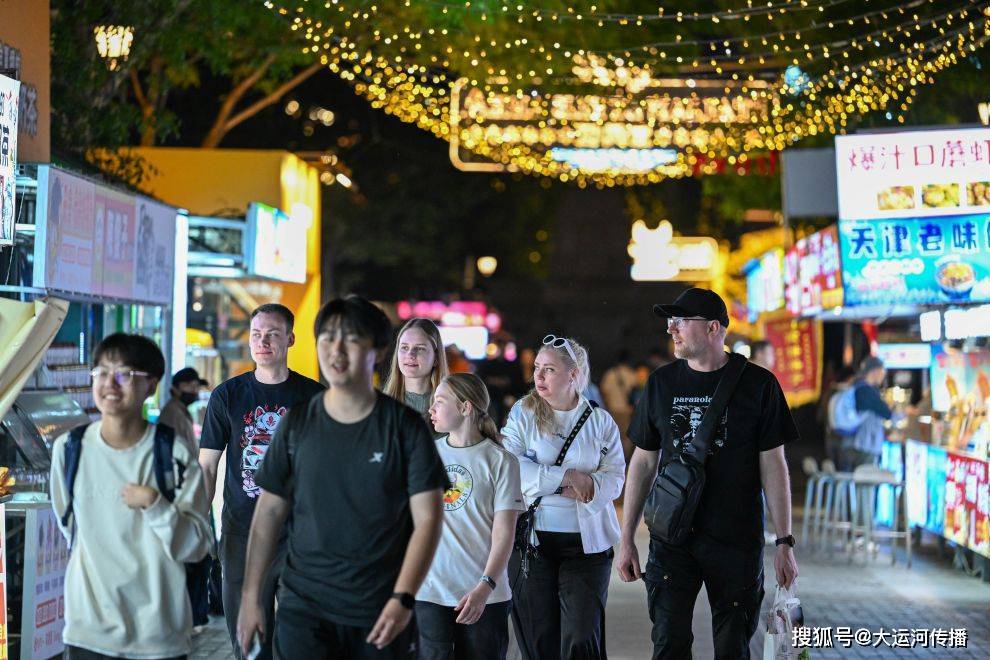
4月24日,俄罗斯游客在天津意式风情区游览。新华社记者 孙凡越 摄
从上海南京东路泡泡玛特旗舰店前排起长队,到成都春熙路的新式茶饮门店里外国游客络绎不绝。越来越多外国青年开始把“中国年轻人喜欢什么”作为自己的旅行攻略。在TikTok、YouTube等社交平台上,“China Travel”“China Shopping”等话题持续升温,中国年轻群体消费潮流正不断“圈粉”外国青年。
南开大学旅游与服务学院副教授妥艳媜认为,原创品牌、原创IP和新消费业态率先在中国成长,并借助社交媒体、跨境旅游等渠道走向世界,中国青年正逐渐成为全球消费趋势的重要参与者。“无论是潮流IP、科技产品,还是传统文化商品,它们能够受到海外年轻人欢迎,契合了全球消费者对个性化、文化表达和情绪价值的需求。”
在天津市内免税店,俄罗斯籍消费者郭清丽正仔细挑选准备带回国的礼物。她在摆满国潮文创和中国特色商品的货架前驻足比较,不一会儿,购物篮里便装满了心仪的商品。“我会买一些具有中国特色的礼物带回国。这些礼物既有创意,也很有中国文化特色,价格也很便宜,我的家人和朋友都很喜欢。”
音乐节、演唱会等体验式消费也正成为外国青年体验中国消费潮流的重要方式。来自也门的天津科技大学留学生卡乐告诉记者,今年“五一”假期,他曾和朋友一起参加天津泡泡岛音乐节,这也是他来到中国后印象最深的一次消费体验。“音乐节上不仅有演出,还有创意市集、特色美食和各种互动活动,可以认识新朋友。”
在中国生活期间,他越来越喜欢和中国朋友们一起参加这样的活动。“这些消费体验很有活力,也让我感受到中国年轻人的创造力。我相信,越来越多外国青年会喜欢这样的消费模式。”卡乐说。
“中国年轻人的消费理念、消费方式和消费文化,正在通过品牌、产品和消费场景不断走向世界,并影响越来越多全球年轻人的消费选择。”天津大学新媒体与传播学院教授庞华说。(马博文)
On June 17th, at Tianjin Foreign Studies University, an international student walked the runway on stage. Photo by Xinhua News Agency reporter Sun Fanyue.
On a summer afternoon, at a Pop Mart store on Binjiang Road Pedestrian Street in Tianjin, international student Rona from Sri Lanka is picking out her favorite blind box gifts with her friends. After opening the blind box, she couldn't wait to take photos and share them on social media. Soon, the comment section was flooded with messages from friends from her hometown—some asking where to buy them, others asking her to bring one back to Sri Lanka.
After studying in China for many years, Rona's spending habits quietly changed. She told reporters that when she first came to China, she mostly brought home traditional souvenirs like tea and silk. Now, she prefers drinking new-style tea with Chinese friends, visiting trendy toy stores, city walks, and attending music festivals. "I like the way Chinese young people consume. These activities allow me to feel their lifestyle and allow me to truly understand today's China."
According to data from the National Bureau of Statistics, in the first half of 2026, the total retail sales of consumer goods and services nationwide will grow by 2.7% year-on-year, with service retail sales up 5.3% and goods retail sales up 1.1%. Retail sales of cultural, sports, and leisure services are growing rapidly. From original IPs, the "millet economy," and new-style tea drinks, to immersive experiences like music festivals and trendy markets, and then to new tech products like smart glasses and AI hardware, a batch of new consumption formats that combine cultural creativity, technological innovation, and emotional value are constantly emerging.
On April 24th, Russian tourists were visiting the Italian-style district in Tianjin. Photo by Xinhua News Agency reporter Sun Fanyue.
From long queues in front of the Pop Mart flagship store on East Nanjing Road in Shanghai, to the modern tea shops on Chunxi Road in Chengdu, where foreign tourists are bustling with visitors. More and more foreign youth are starting to use "What Chinese young people like" as their travel guide. On social platforms like TikTok and YouTube, topics like "China Travel" and "China Shopping" continue to heat up, and the consumption trend among China's youth is steadily "winning over" foreign youth.
Tuo Yancheng, associate professor at the School of Tourism and Service at Nankai University, believes that original brands, original IPs, and new consumption formats are the first to grow in China, and are expanding globally through social media, cross-border tourism, and other channels. Chinese youth are gradually becoming important participants in global consumer trends. "Whether it's trendy IPs, tech products, or traditional cultural goods, their popularity among overseas youth meets global consumers' needs for personalization, cultural expression, and emotional value."
At a duty-free shop in Tianjin, Russian consumer Guo Qingli is carefully selecting gifts to bring back to Russia. She paused and compared shelves filled with Guochao cultural and creative products and Chinese specialty products, and soon her shopping basket was filled with her favorite items. "I will buy some gifts with Chinese characteristics to bring back to Russia These gifts are both creative and rich in Chinese cultural characteristics, and the prices are very affordable. My family and friends really like them. ”
Experiential consumption at music festivals, concerts, and other events is also becoming an important way for foreign youth to experience China's consumption trends. Kara, a student from Tianjin University of Science and Technology from Yemen, told reporters that during this year's May Day holiday, he attended the Tianjin Bubble Island Music Festival with friends, which was the most memorable shopping experience since arriving in China. "The music festival not only features performances but also creative markets, specialty foods, and various interactive activities where you can meet new friends."
During his time living in China, he increasingly enjoyed participating in such events with his Chinese friends. "These consumer experiences are very vibrant and allow me to feel the creativity of young Chinese people. I believe more and more foreign youth will like this consumption model. "Carlo said.
"The consumption concepts, methods, and culture of Chinese youth are continuously reaching the world through brands, products, and consumption scenarios, influencing the consumption choices of more and more young people worldwide." Professor Pang Hua from the School of New Media and Communication at Tianjin University said. (Ma Bowen)
制作 曹宇
编校 延晨 徐蓉
一审 桂艳 张莉
二审 肖东 董明
三审 晖军